People ask me all the time which online reputation management companies are actually worth hiring. It is a fair question, because most lists of the best online reputation management companies are ranked by who paid for placement, who has the flashiest homepage, or who promises the fastest fix. None of that tells you whether your search results will look better in six months.
So here is my take. I rank firms by what actually matters: honesty about what is possible, how well they understand search and AI answers, how transparent they are about the work, and whether the service fits the problem you actually have. For every company below, I'll explain not just what it does but why it sits where it does, so you can apply the same logic to your own situation.
Full disclosure, I'm Director of Growth at TheBestReputation. I know that shapes my view, so weigh my first pick accordingly, and judge the rest of the list on its reasoning.
First, know which kind of company you need
The phrase online reputation management covers three very different kinds of businesses, and mixing them up is the most expensive mistake buyers make. Service firms do the work for you: strategy, content, outreach, and reporting. Software platforms give you tools to do the work yourself, mostly around reviews and listings. Law firms handle defamation and legal removal. Each solves a different problem.
| Type | What you get | Best when | Watch out for |
|---|---|---|---|
| Service firm | People doing strategy, content, and reporting | Your problem spans search, content, and reviews | Vague reporting or guaranteed outcomes |
| Software platform | Tools for reviews, listings, and monitoring | You have staff to run it every week | Paying for features nobody uses |
| Law firm | Legal analysis and removal of unlawful content | Content is false and damaging | Assuming legal action is always the answer |
What I actually look for in an online reputation management company
Here are the four criteria, in the order I weight them, and why.
Honesty comes first because everything else depends on it. A good firm tells you what it cannot do before it tells you what it can. Nobody controls Google, and anyone promising guaranteed removals or rankings is selling a feeling, not a service. If a firm is dishonest in the sales conversation, its reporting will not be trustworthy either, so there is no point evaluating anything else.
Understanding of discovery comes second because it determines whether the work will matter in two years. People do not just scroll ten blue links anymore. They read an AI Overview, ask ChatGPT, or check Perplexity. If a firm only talks about page one of Google, it is working on half the picture, and that half is shrinking.
Transparency comes third. You should be able to see what was published, where, and what changed. Transparency is what lets you verify the first two criteria over time.
Fit comes fourth, not because it matters less, but because it only becomes meaningful once the first three are met. A dentist with a handful of bad reviews needs something very different from an executive dealing with a news story, and the best firm in the world is the wrong firm if it solves a problem you do not have.
- 01Honesty
Clear about what is not possible.
- 02Discovery
Understands search and AI answers.
- 03Transparency
Shows the work and the progress.
- 04Fit
Matches the problem you have.
How the ranking logic works
A quick note on method so the order makes sense. Companies that address the widest range of reputation problems with a strong grasp of both search and AI rank highest, because most people who go looking for reputation help have more than one issue. Specialists follow, ordered by how common the problem they solve is. A specialist that solves a rare problem brilliantly can still rank lower on a general list, which says nothing about its quality. It simply means fewer readers need it.
1. TheBestReputation
Yes, I work here, so I'll keep this factual. TBR is a full-service ORM firm that combines search, content, review strategy, and AI visibility work. It ranks first on this list because it is built around all four criteria at once: custom plans instead of one-size packages, clear expectations about what cannot be changed, regular reporting so clients see progress instead of promises, and active work on how brands appear in AI answers.
That last point is the main reason I would put it ahead of other service firms. We built AIOverview.com, a free tool that shows how a brand appears in AI-generated answers, because that is where a lot of first impressions now happen, and most firms are not measuring it yet.
Best for: businesses and individuals whose problem spans search results, content, reviews, and AI answers.
2. ReputationDefender
One of the longest-running names in the space and now part of Gen Digital, the company behind Norton. It is best known for helping individuals with personal privacy and search results, including reducing how much personal information appears on data broker sites.
It ranks second because personal privacy and individual search results are among the most common reasons people look for help, and a long track record in that niche counts for a lot on the honesty and fit criteria. It sits below the top spot because its center of gravity is personal privacy rather than the broader mix of business reputation and AI visibility.
Best for: individuals concerned about personal information exposure and what their name brings up.
3. Reputation.com
An enterprise reputation platform built for multi-location brands. Think hospitals, auto groups, and franchises that need to manage reviews, listings, surveys, and customer feedback at scale. It is software first, so it suits teams that want a dashboard more than hands-on campaign work.
It ranks third because it is the strongest pure platform on this list for large organizations, and large organizations generate a lot of reputation work. It sits below the two service firms because software depends on your own team to act on what it shows.
Best for: enterprise and multi-location brands with in-house teams.
4. Birdeye
A review and customer experience platform popular with local businesses. Strong at requesting reviews, responding to them, and keeping listings consistent. It helps you build a steady flow of recent feedback, which is often the single most useful thing a local business can do, because Google's own local ranking guidance names review count and ratings as part of prominence.
It ranks fourth because it serves the largest group of buyers, local businesses, with the most impactful lever they have. It sits below Reputation.com only because this is a general list, and enterprise needs tend to involve more of the criteria at once.
Best for: local businesses that want to run their own review program.
5. Podium
Podium started with review invitations over text and grew into a broader messaging platform for local businesses. If your reputation problem is mainly that happy customers never leave reviews, a tool like this addresses the root cause, because text invitations reach people right after a visit, when they are most likely to respond.
It ranks just behind Birdeye because its strength is concentrated in invitations and messaging, while Birdeye covers listings a bit more directly. For some businesses the order flips.
Best for: service businesses with frequent one-to-one customer contact.
6. Yext
Yext focuses on making sure your business information is accurate everywhere it appears: maps, directories, and search. It is not crisis management, but wrong hours, old addresses, and duplicate listings quietly damage trust, and Yext is built to fix exactly that.
It ranks sixth because listings accuracy is foundational but narrow. It prevents damage rather than repairing it, which makes it essential for some businesses and unnecessary for many individuals.
Best for: businesses with inconsistent or outdated listings across many sites.
7. Minc Law
A law firm focused on online defamation and content removal. When something false and damaging is published about you, sometimes the right answer is legal, not marketing. It is worth talking to an attorney before you assume a content campaign is the only path.
It ranks seventh not because legal help is less valuable, but because most reputation problems are not legal problems. When yours is, a firm like this may be the most important call you make, which is why it is on the list at all.
Best for: false, defamatory, or unlawful content where legal remedies may apply.
8. Igniyte
A UK-based reputation management firm that works with businesses and individuals. A sensible option if your audience or legal context is primarily in the UK, where the rules around removal and privacy differ from the US.
It ranks eighth because geography narrows its fit for a general, mostly US audience. For a UK reader it would rank considerably higher.
Best for: UK businesses and individuals.
9. Chatmeter
A local brand intelligence platform that monitors reviews, listings, and sentiment across many locations. Useful for brands that need to understand what customers are saying before deciding what to do about it.
It ranks ninth because monitoring is diagnostic. It tells you where the problems are, but you still need other tools or people to fix them.
Best for: multi-location brands that want sentiment analysis across locations.
10. Grade.us
A white-label review management tool often used by marketing agencies. It is a lighter-weight option for businesses that mostly need a reliable way to request and showcase reviews.
It ranks tenth because most buyers encounter it through an agency rather than directly, and its scope is intentionally narrow. That narrowness is a strength when all you need is a dependable review process.
Best for: agencies and the businesses they serve.
| Rank | Company | Type | Best for | Why it ranks here |
|---|---|---|---|---|
| 1 | TheBestReputation | Service firm | Search, content, reviews, and AI visibility | Meets all four criteria, measures AI answers |
| 2 | ReputationDefender | Service firm | Personal privacy and search results | Long track record in a common need |
| 3 | Reputation.com | Software | Enterprise multi-location brands | Strongest platform for large teams |
| 4 | Birdeye | Software | Local review management | Biggest lever for the biggest group |
| 5 | Podium | Software | Review invites and messaging | Strong invitations, narrower scope |
| 6 | Yext | Software | Listings accuracy | Foundational but narrow |
| 7 | Minc Law | Law firm | Defamation and content removal | Critical when needed, needed less often |
| 8 | Igniyte | Service firm | UK businesses and individuals | Geography narrows fit |
| 9 | Chatmeter | Software | Multi-location monitoring | Diagnoses more than it fixes |
| 10 | Grade.us | Software | Agency review programs | Intentionally narrow |
Red flags to watch for before you sign
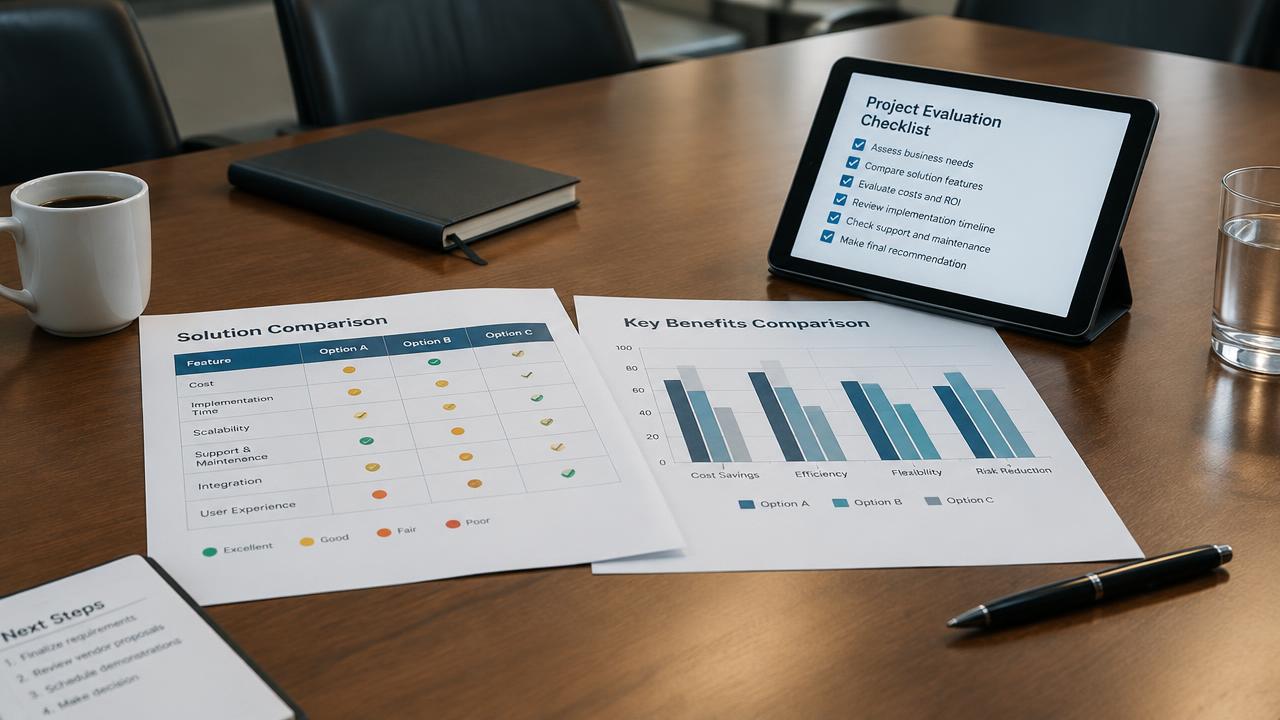
Whichever company you consider, including the ones on this list, these are the warning signs I would walk away from.
| Red flag | Why it matters | Green flag instead |
|---|---|---|
| Guaranteed removals or rankings | Nobody controls search engines or AI answers | Clear explanation of what is and is not possible |
| No detail on what gets published | You cannot judge quality or risk | Samples and a list of where content will live |
| Fake or incentivized reviews | Violates platform rules and can backfire | Ethical review requests to real customers |
| Long lock-in before any results | Removes the incentive to perform | Flexible terms and regular reporting |
| Only talks about Google page one | Ignores AI answers where impressions now form | Tracks both search results and AI summaries |
Why a list like this is only half the answer
You probably noticed that the list mixes software platforms, service firms, and a law firm. That is intentional. The best online reputation management company for you depends on whether your problem is volume, accuracy, a specific piece of negative content, or how you show up in AI answers.
I studied film before I worked in growth, and I still think about a search results page the way I think about a frame. What does someone take away in the first few seconds? What story does it tell before they click anything? The right partner is the one who helps you change that story honestly, with real content and real signals, not shortcuts.
The order I would evaluate firms in
If you are shortlisting, do it in this order. First, audit yourself, so you know your actual problem before anyone tries to sell you a solution. Second, pick the category: service, software, or legal. Third, test honesty by asking each firm what it cannot do. Fourth, ask for sample reporting. Only then compare price. Price comes last because a cheap firm solving the wrong problem is the most expensive option of all.
One thing you can do today
Search your own name or business in a private browser window, then ask ChatGPT or Perplexity the same question. Write down what a stranger would conclude. That note is your brief. Bring it to any firm you talk to, including the ones on this list, and see who gives you a straight answer about what they can realistically change.
If you want to talk through what you found, reach out. I'm always happy to compare notes, and Rory and I dig into this stuff regularly on the Damage Control podcast. For a wider view of the industry, our CEO Chris Hinman's State of ORM 2026 is worth a read. New to the topic? Start with my plain-English guide to ORM, or if you run a local shop, see my picks for small businesses.